
F&M Stories
F&M Senior Sculpts House from the Ground Up
While sculpture isn't unusual for art majors, senior Lauren Proffitt might just be the first Franklin & Marshall College student to build a home from scratch.
"I wanted to try something that was outside of my typical field of studies," said Proffitt, a studio art major from Lancaster.
Using a Marshall Fellow grant, Proffitt attended two workshops last summer focused on natural building materials. She first traveled to This Cob House in Tennessee for a class focused on building homes with cob, a structural mixture of clay, sand and straw used to build walls.
"Cob has been used for centuries as a reliable, sustainable and beautiful construction method," Proffitt said. "I was excited about the sculptural capabilities as well as building a house."
A second workshop brought Profitt to the Mud Dauber School in North Carolina to learn about natural plasters, application methods and homemade recipes for paints — such as limewash, milk paint and wheat paste — that are typically used in cob homes.
A self-described "humanities person," Proffitt didn't want a degree in studio art. That changed when she arrived on campus.
"When I got here, I saw how it could connect to all these other things that I was doing," said Proffitt, who also has pursued projects in American studies and film.
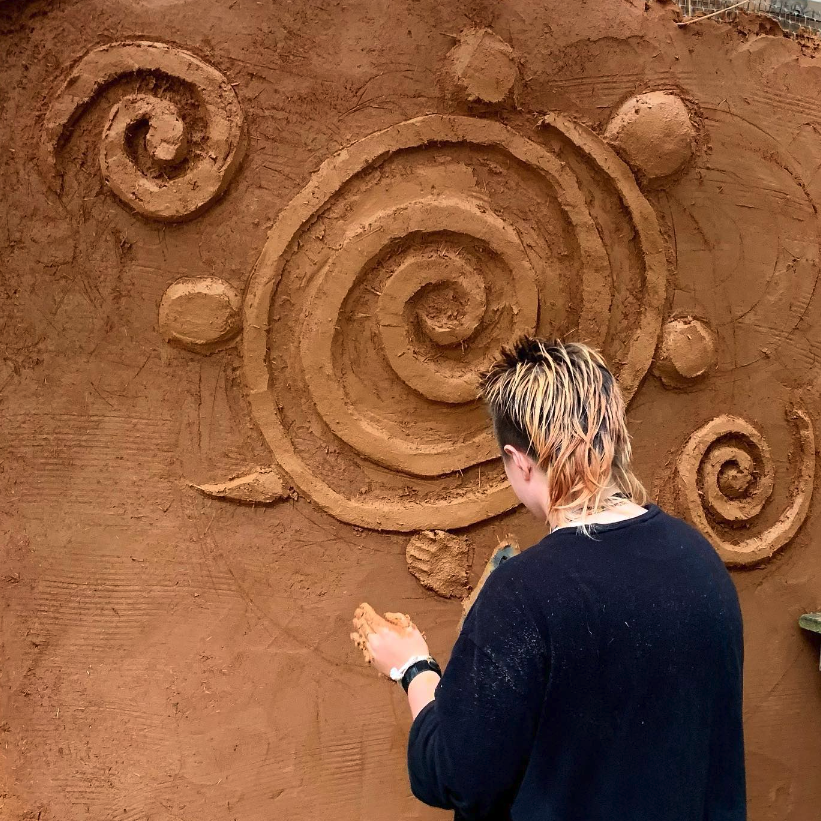
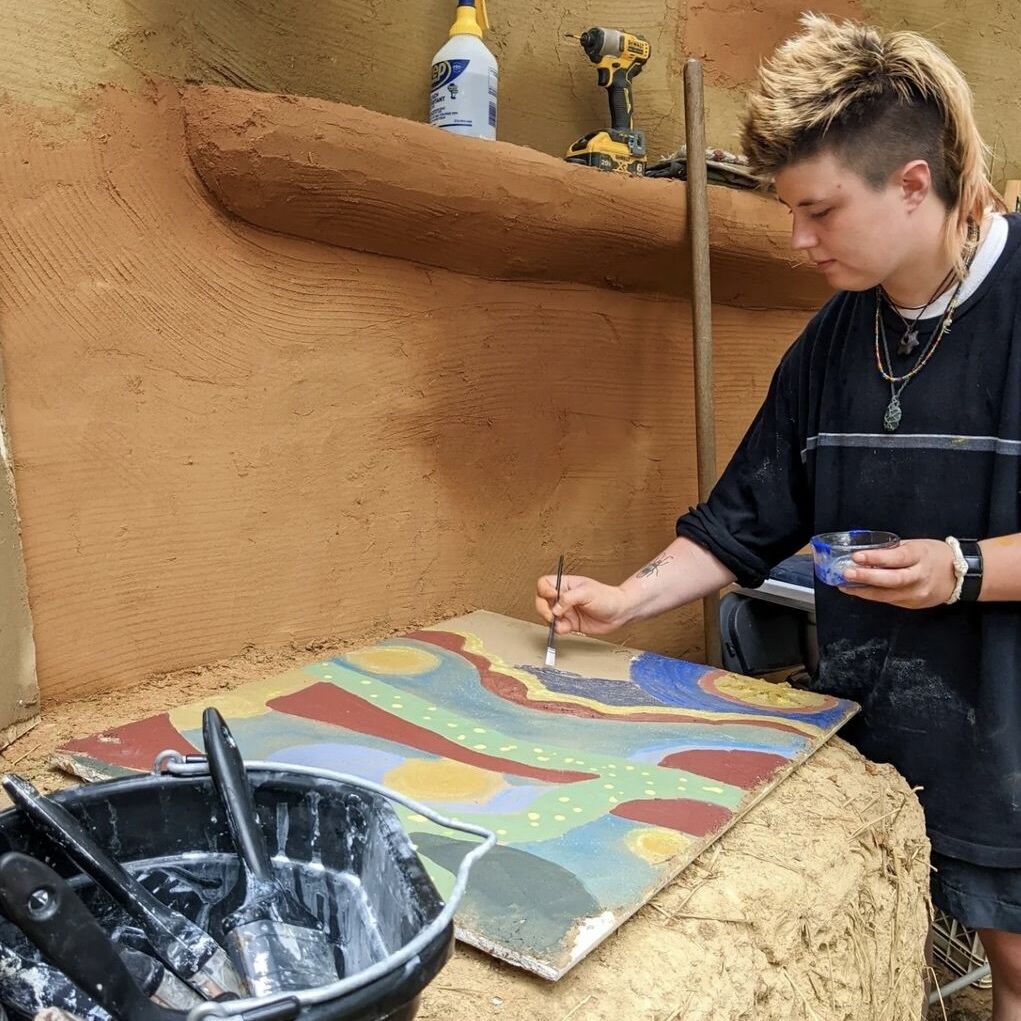
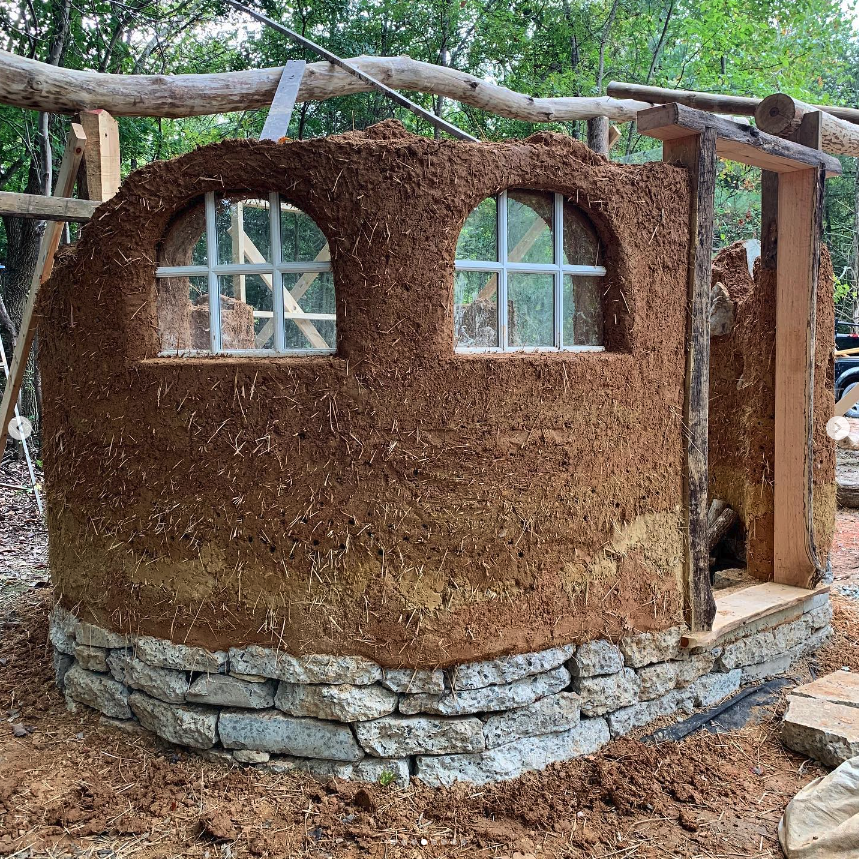
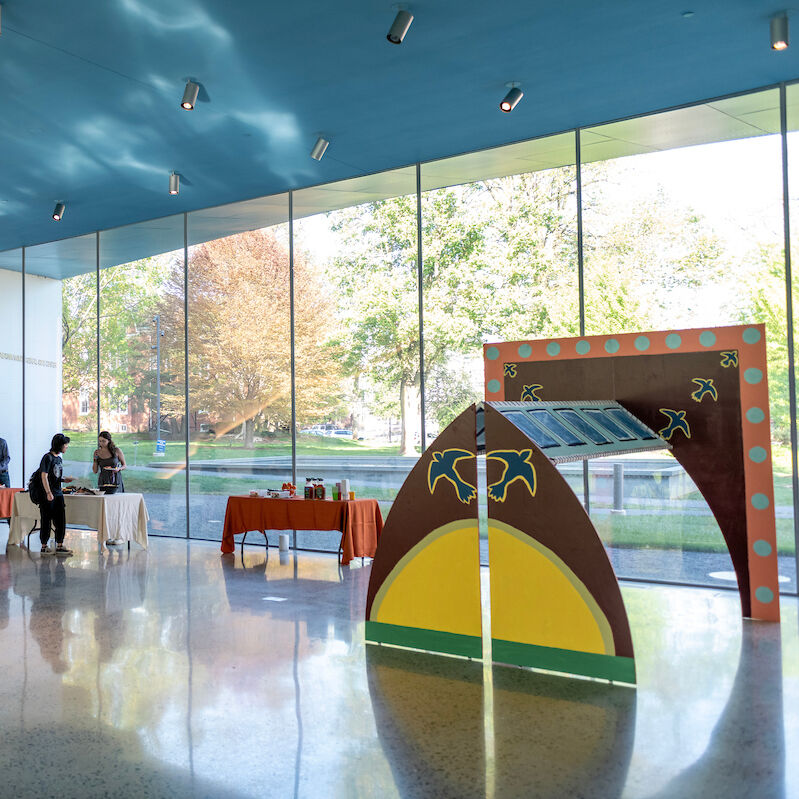
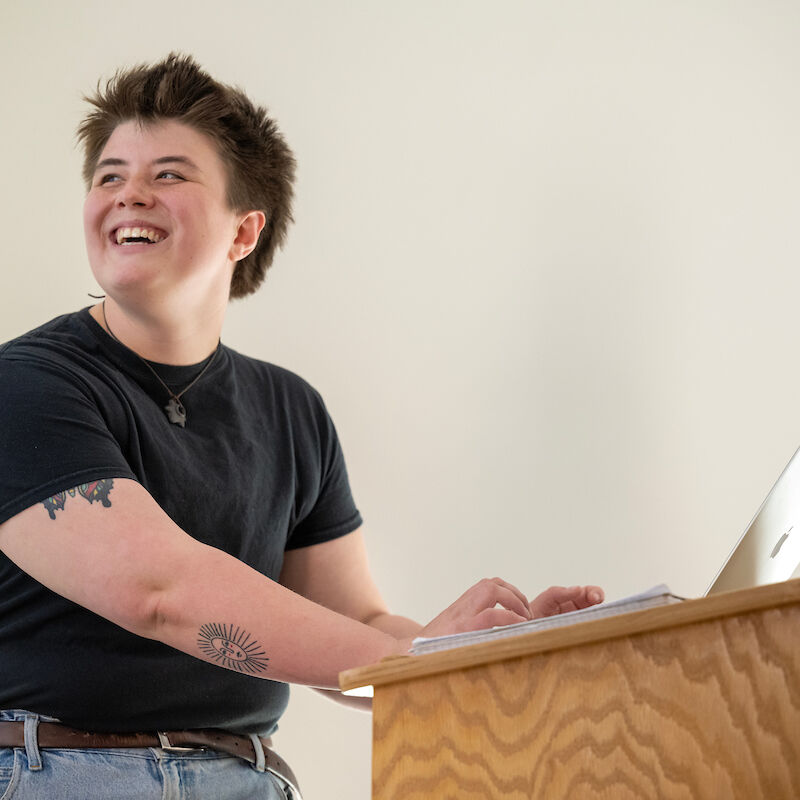
Proffitt's Marshall grant research highlighted the intersection of biology, anthropology and art.
"It was really cool to learn about the origin of buildings and human involvement with nature," she said. "It's really easy to get disconnected from your roots just in day-to-day life. It's not easy to be connected with nature unless you're in it."
What's next for the aspiring artist?
After graduation, Proffitt will work at Pilchuck Glass School, an international glass art education center nestled in the foothills of Washington's Cascade Mountains.
"I wanted to get out into the world and get some more hands-on experience. But I also wanted to work on the artistic side of things because that's where my heart is," she said.
Related Articles
September 30, 2026
Patricia E. Harris '77 to Receive Inaugural Benjamin Franklin Distinguished Innovator Award
This fall, Franklin & Marshall College will debut a new honor and celebrate the career and leadership of one of its most accomplished graduates: Patricia E. Harris '77, Bloomberg Philanthropies CEO, former first deputy mayor of New York City, and Trustee Emerita.
September 2, 2026
‘I Find It Important and Necessary’: Uncovering Lancaster's Hidden History
For Frances Taylor ’27, the Lancaster Vice project checked all the right boxes: collaborating with a faculty mentor, exploring how their two majors converge in the real world, and unearthing stories the city had forgotten. “I enjoy learning about hidden history that popular culture often overlooks,” Taylor said.
August 10, 2026
‘For the Love of People and Art’: F&M Student Interns at the Mount Gretna Art Show
Layla Beyer ’27 is getting a firsthand look at how communities unite through a shared love of the arts. Beyer, who studies history of art and architecture and theatre, is interning with the Mount Gretna Outdoor Art Show. “It is really inspiring to see this kind of work get done for the love of people and art,” she said.